
KRYSLINE AGENCY LTD · KAL
Creating Opportunities. Building Futures.
KAL Insights / Design & construction
Preparing a Design and Construction Brief: From Idea to First Consultation
Organise your goals, site information, room requirements, budget, and priorities before discussing a design and construction project with KAL.
A design and construction brief explains what you want a project to achieve. It turns a broad idea into a useful conversation about spaces, priorities, responsibilities, and next steps.
The first version can be simple. You do not need a finished drawing or a long technical document. A clear outline helps a project team identify what is known, what needs further investigation, and where specialist input may be required.
Start with the purpose, not just the appearance
Explain who will use the building and how they will use it. A family home, a workspace, and a mixed-use property have different day-to-day needs. Describe the routines, activities, and practical problems the design should support.
For a renovation, explain what is no longer working in the existing space. For a new building, describe the experience you want to create and any future changes you want the team to consider.
Gather the site information you already have
Note the location, the current stage of the project, and what is already on the site. Identify any drawings, photographs, measurements, or other project records you can make available for discussion.
Distinguish confirmed information from estimates. If you do not know a dimension or a site condition, say so rather than presenting an assumption as a fact. The team can discuss what further information is needed and how it should be obtained.
List spaces and practical requirements
Write a room or space list and explain the purpose of each area. Think about storage, circulation, parking, outdoor space, access, privacy, and the relationship between rooms. Include any needs that deserve specialist design attention.
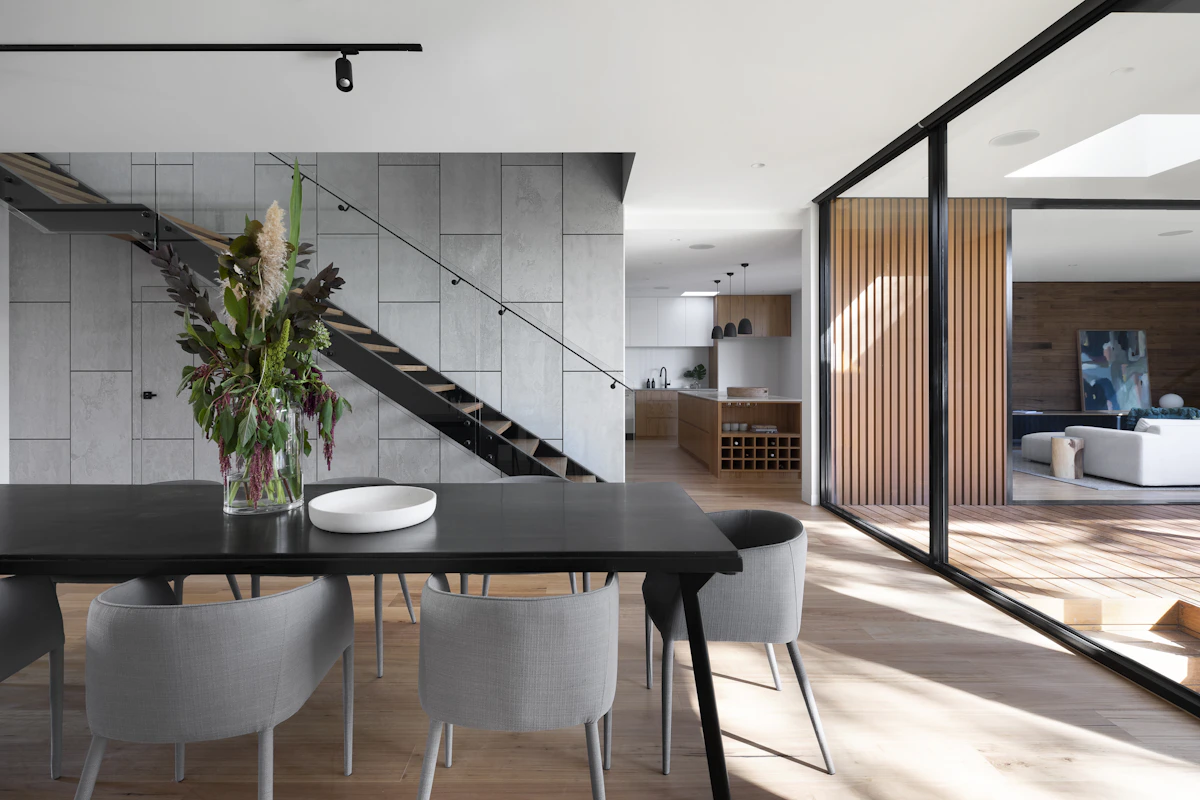
Use reference images to communicate preferences, but explain what you like about each image. It may be the light, materials, layout, or relationship with the outdoors. A picture on its own does not explain the full brief.
Separate essentials from preferences
Create two lists: requirements the design must address, and features you would like if the agreed scope allows. This gives the team a more useful basis for discussing choices.
Explain your budget, timing, and decision process
Share the working budget you want to discuss and identify any parts of the project that it is intended to cover. Ask how the proposed services, deliverables, and fees will be described. Avoid assuming that every activity is included in one price.
Explain who will approve decisions and how available they will be. If several people are involved, agree on a main contact so the team can receive coordinated feedback.
Leave the consultation with clear next steps
A useful first meeting should clarify what further information is needed, which services are being considered, and who will do what next. Request a written outline of the proposed scope before deciding how to proceed.
Learn about KAL’s design and construction services and project management support, or contact the team to discuss your brief.
Leave a Reply